Gravel Rally Wheels: What to Consider Before Choosing

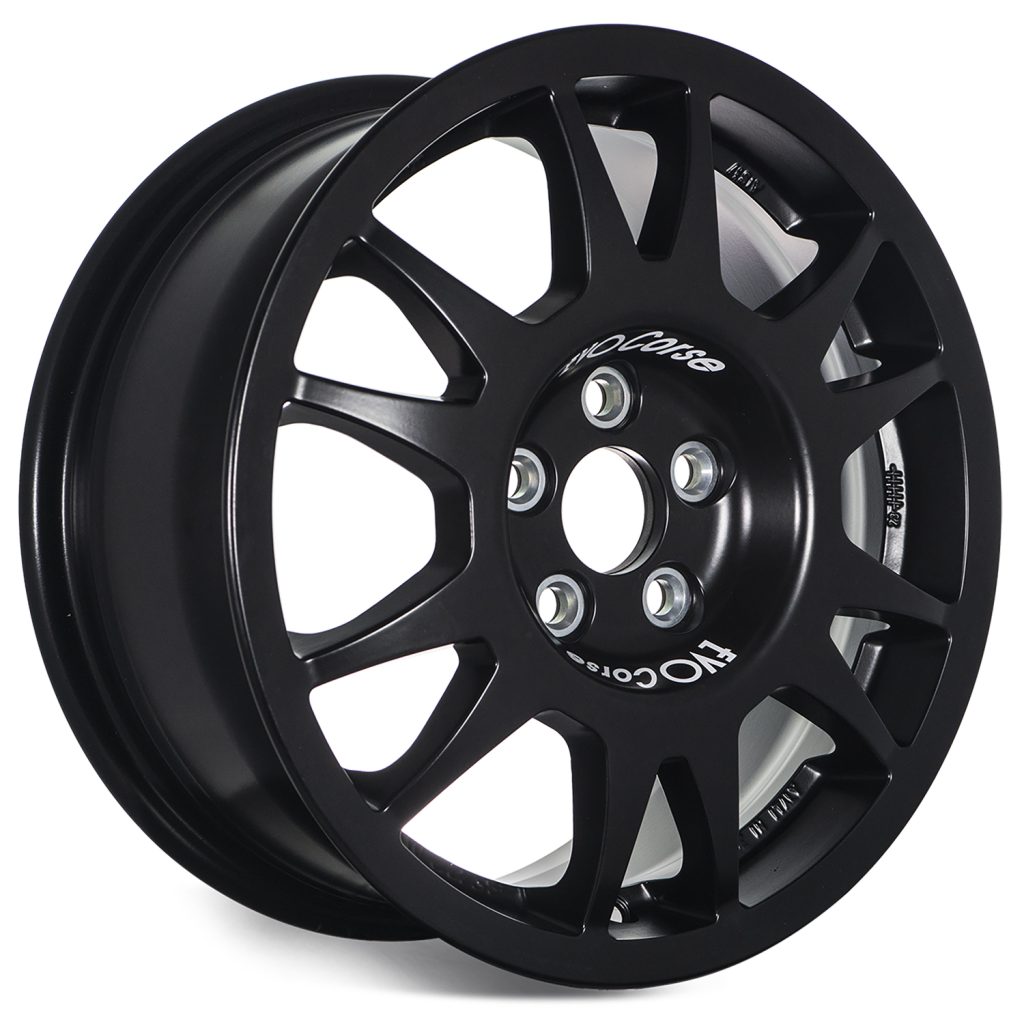
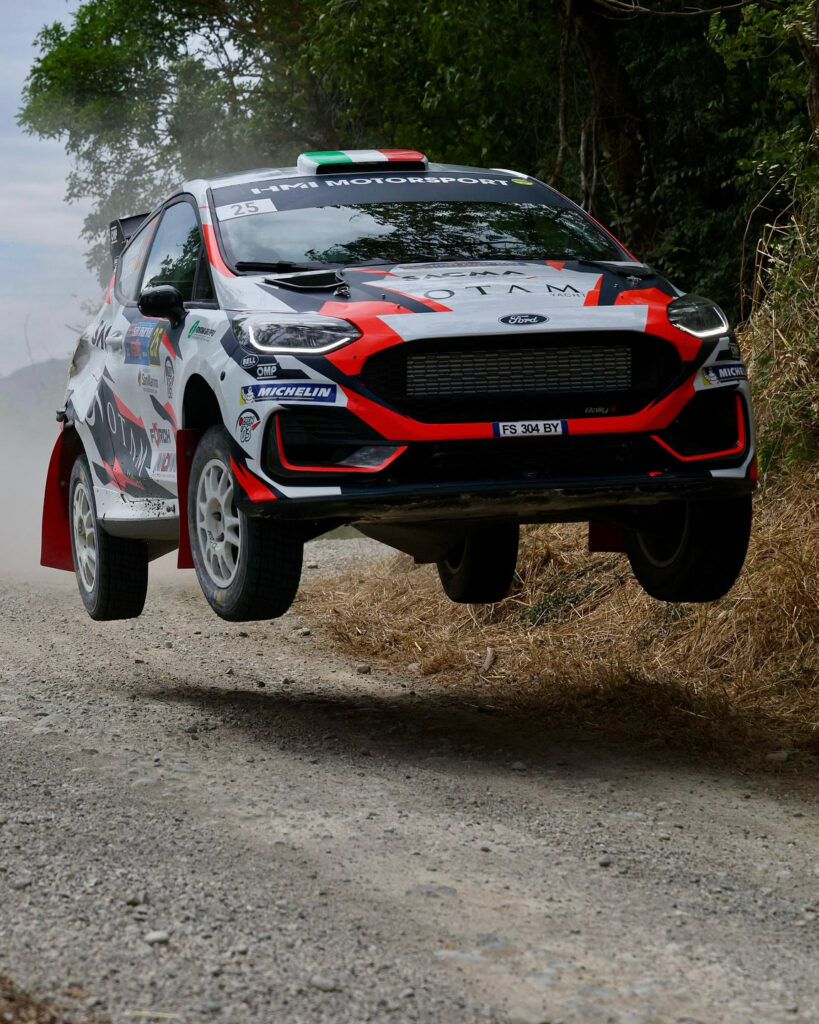
In rallying, a wheel does much more than support the tyre. It must withstand severe impacts, repeated stress and demanding loads while maintaining its geometry on rough and abrasive surfaces. On gravel stages, potholes, rocks, compressions and sudden changes in grip expose wheels, tyres and suspension components to forces that are very different from those encountered on tarmac. For this reason, a genuine gravel rally wheel cannot be assessed on weight or appearance alone. The correct choice must consider the complete system, including the wheel, tyre, braking system, suspension and vehicle specifications. Wheels such as the EVO Corse SanremoCorse 15” and OlympiaCorse 15” were developed specifically for these conditions. They are designed for gravel rallying and built to meet the needs of aggressive drivers who require precision, strength and reliability throughout the most demanding special stages.
Impact and deformation resistance
The ability to withstand impacts is one of the main requirements in the design of a gravel rally wheel. During a special stage, the wheel may hit rocks, deep potholes or sharp surface irregularities at high speed. These forces can be concentrated on the outer rim, the barrel or the areas connecting the spokes to the rim. An excessively rigid wheel may transfer a large part of the impact to the tyre, hub and suspension. A structure that is not sufficiently strong, however, may deform, compromise tyre retention or reduce steering precision. The goal is therefore to achieve the correct balance between strength, controlled compliance and structural stability. This is particularly important for aggressive drivers who use deep cuts, inside lines and the roughest sections of a stage. SanremoCorse and OlympiaCorse are developed to maintain consistent performance even under repeated impacts.
Weight and unsprung mass
Weight reduction is important in motorsport, but it must never compromise reliability. A lighter wheel helps the suspension react more quickly to surface irregularities, allowing the tyre to maintain better contact with the ground. Lower rotational mass may also improve vehicle response under acceleration, braking and changes of direction. A gravel wheel must still retain sufficient structural margins. Its design must therefore balance weight and strength, avoiding reductions that could affect reliability in the most severe conditions.
Why 15-inch wheels are commonly used
Gravel rally applications often use 15-inch wheels because this diameter allows the tyre to retain a sufficiently high sidewall. A taller sidewall helps absorb surface irregularities, protects the wheel against direct impacts and allows the tyre casing to conform more effectively to loose and uneven ground. The 15-inch configuration used for SanremoCorse and OlympiaCorse reflects the typical requirements of gravel rallying: providing the necessary clearance for compatible braking systems while allowing the use of tyres with a suitable sidewall for rough stages.
Rim width and tyre compatibility
The rim width must be correctly matched to the tyre. An unsuitable width can change the shape of the tyre casing, modify the contact patch and affect tyre response during turn-in, traction and braking. In rallying, even small changes can alter vehicle balance, particularly when suspension settings and tyre pressures have been developed for specific conditions. The wheel must therefore be considered an integral part of the complete vehicle setup.
Rim profile and wheel protection
Competition wheels must be inspected regularly. After demanding stages, teams should check for deformation, cracks, rim damage and changes around the bolt or nut seats. Cleaning is also part of the inspection process. Mud and dust can conceal small defects or accumulate inside the wheel, creating imbalance. Regular inspection makes it possible to identify potential problems early and maintain consistent vehicle reliability.
Brake clearance and cooling
A rally wheel must be fully compatible with the braking system. The inner diameter, spoke shape, offset and barrel profile must provide adequate clearance for brake calipers and discs, including the tolerances required when components operate at high temperatures. The wheel geometry must also balance airflow, protection from stones and debris, and structural strength.
Offset, PCD and centre bore
Correct fitment depends on more than wheel diameter and width. The PCD must match the hub bolt pattern, while the centre bore must ensure accurate centring. Wheel offset is equally important because it determines the position of the wheel relative to the hub, suspension and bodywork. Changing the offset affects track width and may alter inner clearance, steering behaviour and the loads applied to bearings. In motorsport, every dimension must therefore be evaluated according to the vehicle geometry and the specifications defined by the manufacturer or preparation team.
Inspection and maintenance
Competition wheels must be inspected regularly. After demanding stages, teams should check for deformation, cracks, rim damage and changes around the bolt or nut seats. Cleaning is also part of the inspection process. Mud and dust can conceal small defects or accumulate inside the wheel, creating imbalance. Regular inspection makes it possible to identify potential problems early and maintain consistent vehicle reliability.
A technical choice, not a styling decision
A gravel rally wheel is a genuine performance and safety component. Impact resistance, weight, tyre compatibility, brake clearance and fitment geometry must all work together. There is no single wheel specification suitable for every vehicle or every type of gravel. The correct solution depends on the application, technical regulations and operating conditions.
Models such as the SanremoCorse 15” and OlympiaCorse 15” represent the EVO Corse approach to these requirements: wheels developed specifically for gravel rallying and engineered to provide strength, control and reliability, even for drivers with a particularly aggressive driving style. Choosing a wheel designed specifically for gravel rallying improves not only performance, but also vehicle predictability and reliability during the most demanding parts of a race.
Looking for a wheel specifically designed for your gravel rally car? Visit our shop and check the availability of the SanremoCorse 15”, OlympiaCorse 15” and other EVO Corse applications compatible with your vehicle.